
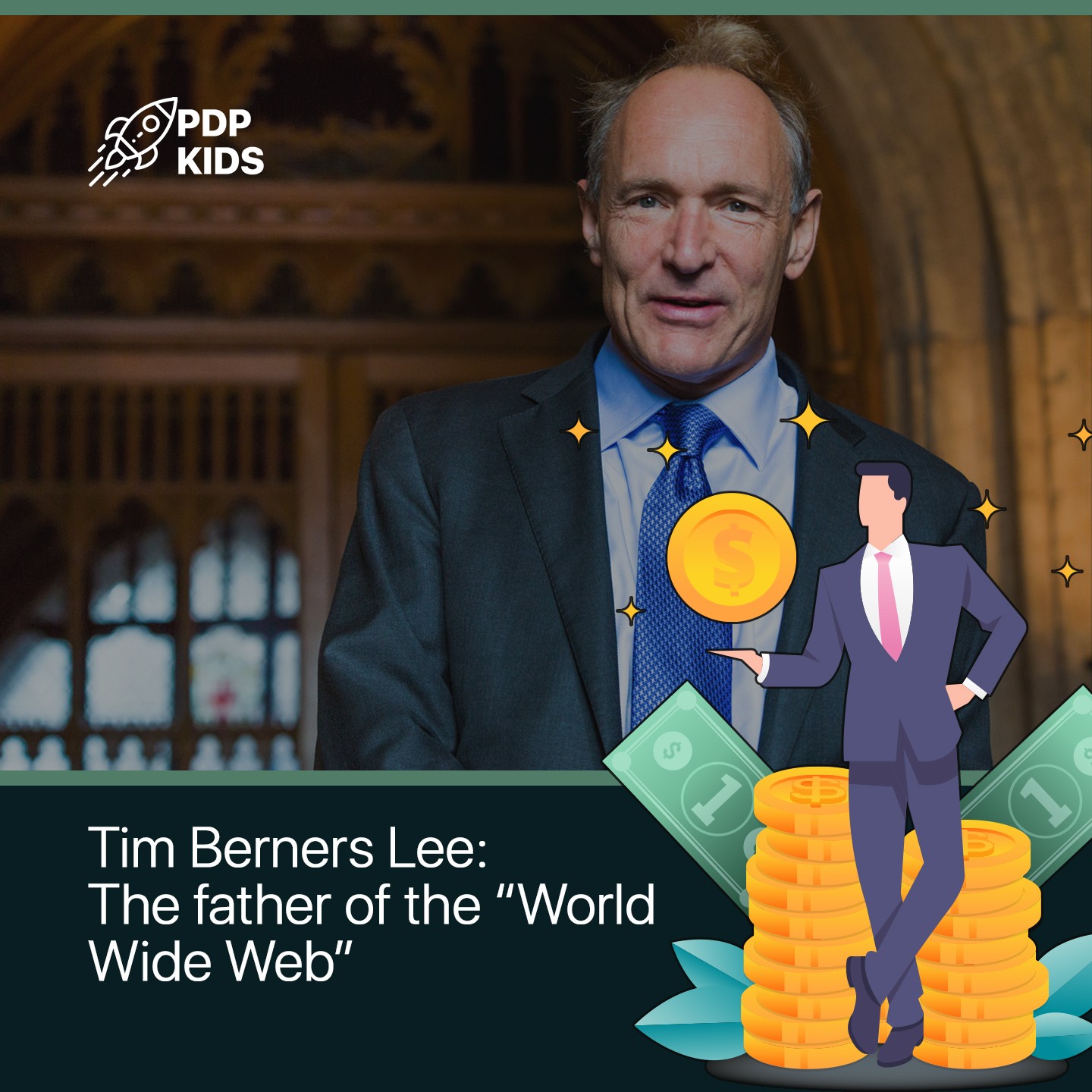
Tim Berners Lee The Father Of The World Wide Web
Lead: In an era defined by instant global connectivity, understanding the origins of the internet's most accessible layer is crucial. This article delves into the monumental contributions of Tim Berners-Lee, the father of the World Wide Web, exploring how his pioneering work fundamentally reshaped communication, commerce, and culture worldwide. Readers will learn about the foundational principles he established, the enduring relevance of his vision, and the ongoing efforts to preserve the web's open nature.
Who Is Tim Berners-Lee, the Father of the World Wide Web?
Sir Timothy John Berners-Lee, a British computer scientist, is credited with inventing the World Wide Web. While the internet existed prior to his work, it was largely a network for scientists and researchers, lacking a universal, easy-to-navigate interface. Berners-Lee's breakthrough was the creation of a system that allowed information to be linked and accessed across different computers through a common interface. His innovations included:
- HTML (HyperText Markup Language): The language for creating web pages.
- HTTP (HyperText Transfer Protocol): The protocol for exchanging data on the web.
- URL (Uniform Resource Locator): The address system for locating resources on the web.
- The first web browser (WorldWideWeb) and web server (CERN httpd).
These elements, developed between 1989 and 1991, laid the groundwork for the global phenomenon known today as the World Wide Web, transforming a complex network into an accessible information space for billions.
Why Tim Berners-Lee, the Father of the World Wide Web, Is Trending
The legacy of Tim Berners-Lee remains consistently relevant, not merely as a historical figure but as a focal point for discussions about the web's future. With ongoing debates about data privacy, misinformation, and the control of digital platforms, Berners-Lee's original vision of an open, decentralized web is frequently invoked. His continued advocacy for net neutrality, digital rights, and the ethical development of web technologies keeps his name and principles in the public discourse. The growing interest stems from a collective re-evaluation of the web's trajectory and a desire to uphold the foundational values of accessibility and openness that he championed. Discussions surrounding decentralized web initiatives, such as Solid, further highlight the enduring importance of his work and philosophy.
Dates, Locations, or Key Details
The conceptualization and initial development of the World Wide Web took place at CERN (the European Organization for Nuclear Research) in Geneva, Switzerland. In March 1989, Berners-Lee submitted a proposal titled "Information Management: A Proposal," outlining a system for information sharing among physicists. While initially met with skepticism, his supervisor, Mike Sendall, deemed it "vague but exciting." By late 1990, Berners-Lee had implemented the first successful communication between an HTTP client and server via the internet. The following year, in August 1991, the World Wide Web project officially debuted to the public with a simple explanation page and access to the first server. Crucially, CERN made the underlying software freely available to all in April 1993, a decision that proved instrumental in the web's explosive growth and universal adoption, solidifying its role as a global public good.
How To Get Involved or Access Discussions About Tim Berners-Lee's Vision
Engaging with the principles and future of the web, as envisioned by its founder, involves several avenues:
- Explore the World Wide Web Consortium (W3C): Visit w3.org, the international community Berners-Lee founded to develop open standards for the web. The W3C remains the primary forum for defining web technologies and ensuring its long-term growth.
- Follow the Web Foundation: Sir Tim Berners-Lee co-founded the World Wide Web Foundation, which advocates for an open and free web for everyone. Their website provides updates on global digital rights, policy initiatives, and projects aimed at bridging the digital divide.
- Read His Writings: His book, "Weaving the Web: The Original Design and Ultimate Destiny of the World Wide Web," offers profound insights into his philosophy and the web's evolution.
- Participate in Online Forums: Join discussions on platforms like Reddit, academic forums, or tech blogs that frequently debate web governance, decentralization, and the future of internet technologies.
What To Expect
- Insights into the foundational technologies that power everyday digital interactions.
- A deeper understanding of the ethical considerations surrounding web development and data.
- Exposure to ongoing efforts to ensure the web remains open, accessible, and beneficial for all users.
- Appreciation for the foresight and generosity behind making such a transformative technology freely available.
The Broader Impact of Tim Berners-Lee's Invention
The World Wide Web's influence is nearly incalculable. It transformed information dissemination, democratizing access to knowledge on an unprecedented scale. Culturally, it spawned new forms of media, art, and social interaction, from blogging to social networking. Economically, it ignited the dot-com boom, fueling the growth of countless industries and creating new markets. Online commerce, once a novel concept, is now a cornerstone of the global economy, connecting businesses and consumers across continents. Berners-Lees decision to make the webs core technologies royalty-free was a singular act of generosity that ensured its rapid and widespread adoption, preventing it from becoming a proprietary system and cementing its role as a global public utility. This open architecture allowed for an explosion of creativity and innovation that continues to this day.
The web as we know it today is a direct result of Berners-Lee's refusal to patent his invention, allowing an ecosystem of unparalleled innovation to flourish. His vision wasn't just about connecting computers, but connecting people and their information in a way that truly empowered them, noted a prominent digital historian.
Economic or Social Insights
The economic impact of the World Wide Web is staggering, contributing trillions of dollars to the global GDP annually. Industries from retail and advertising to education and healthcare have been fundamentally reshaped. Small businesses can now reach global markets, and entrepreneurs have unprecedented opportunities to innovate and scale. Socially, the web has facilitated global movements, cross-cultural understanding, and access to education for millions. However, it has also presented challenges, including digital divides, cybersecurity threats, and the spread of misinformation, issues that Berners-Lee himself has consistently urged the global community to address. As reported by publications like The Economist and Wired, the ongoing challenge is to balance the web's immense benefits with its societal risks, ensuring its continued evolution aligns with its original, empowering ethos.
Frequently Asked Questions About Tim Berners-Lee, the Father of the World Wide Web
- What is Tim Berners-Lee, the father of the World Wide Web? Sir Tim Berners-Lee is the British computer scientist credited with inventing the World Wide Web at CERN in 1989. He developed the foundational technologiesHTML, HTTP, and URLsthat enabled the web as an accessible, interconnected information space.
- Why is Tim Berners-Lee, the father of the World Wide Web, popular? His popularity stems from his transformative invention, which profoundly changed global communication and commerce. He is also highly regarded for his decision to make the web's core technologies freely available, fostering its widespread adoption, and his ongoing advocacy for an open and decentralized web.
- How can people participate or experience his legacy? Individuals can engage with his legacy by exploring organizations like the World Wide Web Consortium (W3C) and the World Wide Web Foundation, reading his writings on the web's origins and future, and participating in discussions about digital ethics and internet governance.
- Is his work legitimate or official? Absolutely. Berners-Lee's work is universally recognized and documented, with his contributions officially acknowledged by institutions worldwide, including CERN, the W3C, and numerous academic and governmental bodies. He has received numerous awards, including a knighthood from Queen Elizabeth II.
- What can attendees or users expect from learning about his work? Learning about Berners-Lee's work offers a foundational understanding of the internet's structure, the principles of an open web, and the ongoing challenges and opportunities in maintaining a healthy, inclusive digital future.
Conclusion
Tim Berners-Lee's invention of the World Wide Web stands as one of the most significant technological achievements of the late 20th century. His vision of an open, interconnected system for sharing information transformed a specialized network into a global phenomenon, profoundly impacting every facet of modern life. As the digital landscape continues to evolve, his foundational principles of accessibility, openness, and decentralization remain crucial guideposts. Understanding his contributions is not just a lesson in history, but a vital perspective on the ongoing debates shaping the internet's future.
Call to Action: To further explore the enduring legacy and future direction of the World Wide Web, readers are encouraged to visit the official website of the World Wide Web Consortium (W3C) at w3.org and the World Wide Web Foundation at webfoundation.org for verified updates and opportunities to support an open web for all.


You might also like
