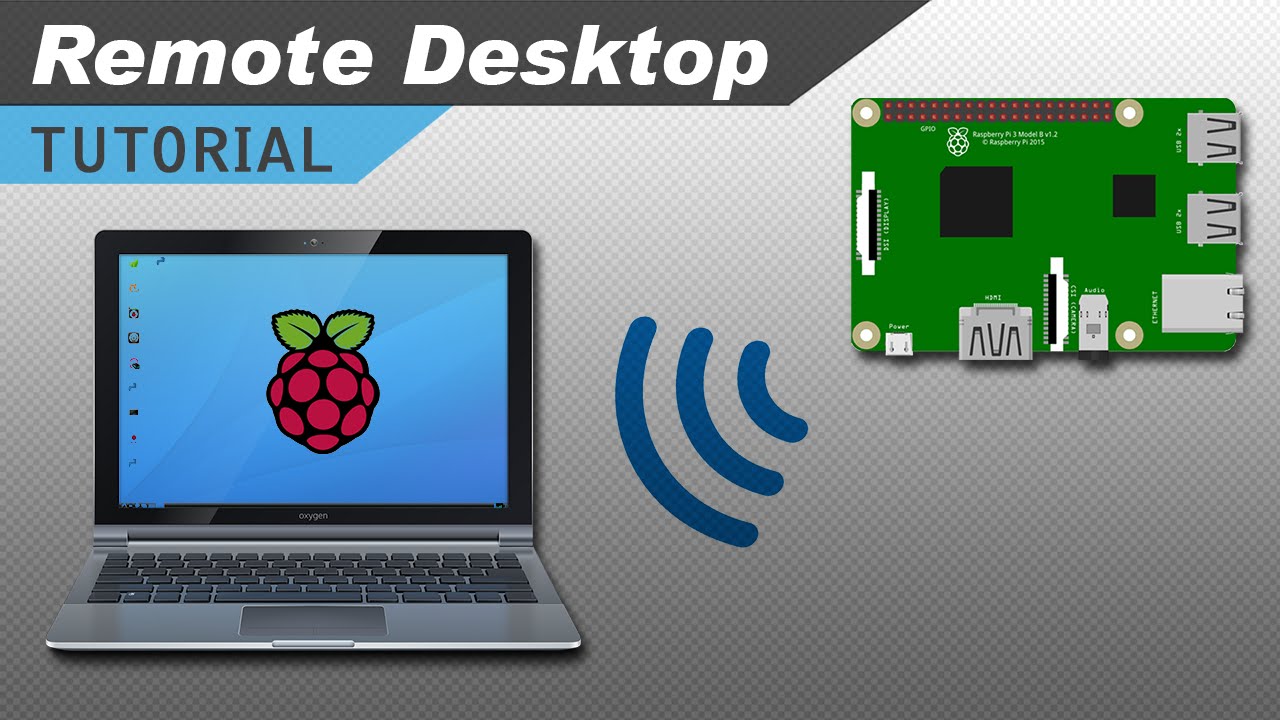
Free Remote Access To Raspberry Pi A Comprehensive Guide
Lead: In an era where connectivity and control from anywhere are paramount, mastering free remote access to Raspberry Pi devices has become an invaluable skill for enthusiasts, educators, and professionals alike. This detailed guide explores the fundamental methods, underlying technologies, and practical steps necessary to establish seamless remote connections to Raspberry Pi units. Readers will gain a thorough understanding of how to manage their projects, monitor systems, and execute commands on a Raspberry Pi without direct physical interaction, opening up a world of possibilities for headless operations, home automation, and distributed computing projects.
What Is Free Remote Access to Raspberry Pi?
Free remote access to Raspberry Pi refers to the capability of connecting to and controlling a Raspberry Pi computer from a different device, such as a desktop, laptop, or smartphone, over a network (local or internet) without incurring subscription fees for specialized software or services. This functionality is crucial for various applications, especially when the Raspberry Pi operates in a "headless" configuration meaning it runs without a monitor, keyboard, or mouse directly attached. Key aspects include:
- Headless Operation: Managing a Raspberry Pi installed in an inaccessible location or integrated into a larger system.
- Project Management: Editing code, transferring files, and running scripts from a primary workstation.
- System Monitoring: Checking sensor data, server status, or network activity in real-time.
- Troubleshooting: Diagnosing issues and restarting services without physically accessing the device.
The core concept revolves around leveraging network protocols and software tools that come either pre-installed on Raspberry Pi OS or are freely available for download and use.
Why Free Remote Access to Raspberry Pi Is Trending
The surge in interest surrounding free remote access to Raspberry Pi is multifaceted, driven by both technological advancements and practical user needs. The proliferation of the Internet of Things (IoT), the growing popularity of DIY electronics, and the Raspberry Pi's inherent versatility have all contributed to this trend. As devices become more integrated into daily life and smart environments, the ability to manage these low-cost, powerful microcomputers remotely becomes essential. Factors contributing to its popularity include:
- Affordability and Accessibility: Raspberry Pi's low cost makes it an ideal platform for experimentation, learning, and deployment across various projects, from home automation to educational robotics.
- Growth of IoT and Edge Computing: As more devices operate at the network's edge, remote management becomes critical for monitoring and maintenance, reducing the need for on-site intervention.
- Educational and Hobbyist Empowerment: Students and hobbyists can develop and test projects from any location, fostering collaboration and flexible learning environments.
- Secure and Flexible Operations: Open-source tools provide robust and customizable solutions for securing remote connections, catering to diverse operational requirements.
The demand for flexible work and management solutions continues to increase, positioning remote Pi access as a fundamental skill in the modern digital landscape.
Key Details and Foundational Technologies
The methods for achieving free remote access to Raspberry Pi are built upon established networking protocols and open-source software, ensuring widespread compatibility and robust functionality. These technologies have been developed and refined over decades, providing stable and secure channels for remote interaction. The primary foundational technologies include:
- Secure Shell (SSH): A cryptographic network protocol for operating network services securely over an unsecured network. It provides a secure channel over an unsecured network in a client-server architecture, allowing users to execute commands on the Raspberry Pi's terminal.
- Virtual Network Computing (VNC): A graphical desktop sharing system that uses the Remote Framebuffer Protocol (RFB) to allow a user to remotely control another computer's desktop environment. This is ideal for those who prefer a visual interface.
- Web Servers (e.g., Apache, Nginx): While not direct remote control, hosting a web server on a Raspberry Pi allows for remote monitoring and control through web-based interfaces, often built for specific applications (e.g., home automation dashboards).
- Virtual Private Networks (VPNs): Technologies like OpenVPN or WireGuard create a secure, encrypted tunnel over a public network, allowing remote devices to appear as if they are on the local network of the Raspberry Pi, enhancing security for all remote access methods.
These technologies are largely platform-agnostic, meaning remote access can be established from devices running Windows, macOS, Linux, Android, or iOS, providing extensive flexibility for users.
How To Get Involved or Access Free Remote Access
Establishing free remote access to a Raspberry Pi involves a series of practical steps, primarily focusing on enabling necessary services and configuring network settings. The process generally requires initial local access to the Pi to enable these features.
- Initial Setup and Network Connection:
- Ensure the Raspberry Pi is running Raspberry Pi OS and is connected to a local network via Wi-Fi or Ethernet.
- Identify the Raspberry Pi's IP address on the local network using commands like `hostname -I` or by checking the router's connected devices list.
- Enabling SSH for Command-Line Access:
- From the Raspberry Pi's terminal, enable SSH using `sudo raspi-config` and navigating to "Interface Options" -> "SSH" -> "Yes."
- Alternatively, create an empty file named `ssh` (no extension) in the boot directory of the SD card before first boot.
- From a remote computer, open a terminal (Linux/macOS) or PuTTY (Windows) and connect using `ssh pi@YOUR_PI_IP_ADDRESS`. Enter the default password (raspberry) or your custom password.
- Setting Up VNC for Graphical Desktop Access:
- Enable VNC using `sudo raspi-config` under "Interface Options" -> "VNC" -> "Yes." This installs the RealVNC server.
- Set up a VNC password when prompted.
- Download and install a VNC Viewer application (e.g., RealVNC Viewer) on the remote computer.
- Open the VNC Viewer, enter the Raspberry Pi's IP address, and connect. Authenticate with the VNC password.
- Securing External Access (for accessing from outside the local network):
- Port Forwarding (Use with Caution): Configure the home router to forward specific ports (e.g., 22 for SSH, 5900 for VNC) to the Raspberry Pi's local IP address. This exposes the Pi directly to the internet and requires strong passwords and regular security updates.
- Using a VPN: Set up an open-source VPN server (e.g., OpenVPN, WireGuard) on a network device or the Raspberry Pi itself. Connect to the VPN from the remote computer, which then allows access to the Pi as if on the local network, providing a more secure approach than direct port forwarding.
- Dynamic DNS (DDNS): If the home internet connection has a dynamic IP address, configure a free DDNS service (e.g., No-IP, DuckDNS) to map a persistent hostname to the changing IP address, making the Raspberry Pi consistently accessible.
What To Expect
- Seamless Control and Monitoring: Once configured, remote access provides the ability to control the Raspberry Pi's operating system, run applications, and monitor its status as if directly connected.
- Real-time Interaction: Commands executed via SSH or actions performed via VNC will typically reflect on the Raspberry Pi with minimal latency, depending on network speed.
- File Transfer Capabilities: Both SSH (via `scp` or `sftp`) and VNC (often with built-in file transfer) allow for easy movement of files between the remote computer and the Raspberry Pi.
- Enhanced Project Management: The ability to work on projects from any location significantly boosts productivity and flexibility for developers and hobbyists.
- Dependency on Network Stability: A stable and sufficiently fast internet connection is crucial for a smooth remote access experience.
The Broader Impact of Free Remote Access to Raspberry Pi
The accessibility of free remote access to Raspberry Pi extends its influence beyond individual projects, significantly impacting various sectors. In education, it empowers STEM learning by allowing students to interact with physical computing projects remotely, bridging geographical gaps. For small businesses, it offers a cost-effective solution for deploying and managing custom network appliances, automation systems, or even low-power servers without dedicated IT staff presence. Within smart homes, remote Pi access is fundamental for managing custom home automation hubs, security cameras, or media centers, enabling users to control their environments from anywhere in the world. This capability democratizes access to sophisticated computing functionalities, fostering innovation and reducing barriers to entry for complex technological endeavors.
The ability to manage a Raspberry Pi remotely truly democratizes embedded computing. It transforms a tiny, inexpensive computer into a globally accessible workstation or server, making advanced projects achievable for anyone, anywhere.
Economic or Social Insights
From an economic standpoint, free remote access to Raspberry Pi contributes to significant cost savings. It enables individuals and small organizations to deploy custom solutions without investing in expensive dedicated hardware or proprietary remote management software. This fosters a vibrant ecosystem of open-source development and DIY innovation, where solutions can be tailored to specific needs without prohibitive financial overheads. Socially, it promotes digital literacy and problem-solving skills, as users learn networking concepts, Linux commands, and security best practices. As noted by various tech publications, including TechCrunch and ZDNet, the Raspberry Pi's ecosystem, bolstered by robust remote access options, continues to drive innovation in areas like edge AI, IoT prototyping, and educational technology, making advanced computing more accessible to a wider audience.
Frequently Asked Questions About Free Remote Access to Raspberry Pi
- What is free remote access to Raspberry Pi? Free remote access to Raspberry Pi involves using no-cost methods and software to connect to and control a Raspberry Pi computer over a network, enabling command execution, file transfer, and graphical desktop interaction without physical presence.
- Why is free remote access to Raspberry Pi popular? Its popularity stems from the Raspberry Pi's affordability and versatility, combined with the increasing demand for flexible project management, IoT applications, and headless device operation, making sophisticated computing accessible and manageable from anywhere.
- How can people participate or experience it? Users can experience remote access by enabling SSH or VNC on their Raspberry Pi, connecting via a terminal or VNC client from a remote device, and optionally configuring port forwarding or a VPN for internet access.
- Is it legitimate or official? Yes, the methods for free remote access (SSH, VNC, etc.) are standard, legitimate networking protocols and software widely supported by the Raspberry Pi Foundation and the broader open-source community.
- What can attendees or users expect? Users can expect full command-line control, a graphical desktop experience (with VNC), efficient file transfers, and the ability to manage their Raspberry Pi projects and systems remotely, greatly enhancing flexibility and productivity.
Conclusion
Free remote access to Raspberry Pi represents a transformative capability for anyone working with these versatile microcomputers. It liberates projects from physical constraints, enabling seamless management, monitoring, and development from any location with an internet connection. By leveraging open-source tools and established networking protocols, users can unlock the full potential of their Raspberry Pi devices, whether for intricate home automation systems, educational endeavors, or sophisticated server applications. This guide provides the foundational knowledge and practical steps necessary to navigate the landscape of remote Pi access, fostering greater innovation and efficiency.
Call to Action: Readers are encouraged to explore the various methods outlined in this guide, experiment with SSH and VNC, and delve into the vast possibilities that free remote access to Raspberry Pi offers for their personal and professional projects. Begin the journey into connected computing today by setting up remote access to a Raspberry Pi and experience unparalleled control.